Smart and Eco-Friendly Methods to Dispose of PPE Waste
Smart and Eco-Friendly Methods to Dispose of PPE Waste
The rise in the use of personal protective equipment (PPE) since the onset of global health emergencies has led to a surge in PPE waste, generating significant environmental concerns. While PPE plays a vital role in protecting individuals from infectious agents, its improper disposal can have lasting detrimental effects on the planet. Therefore, adopting smart and eco-friendly methods to dispose of PPE waste is more important than ever. This article explores innovative, sustainable strategies that individuals, communities, and organizations can implement to manage PPE waste responsibly while minimizing their ecological footprint.
Understanding the Environmental Impact of PPE Waste
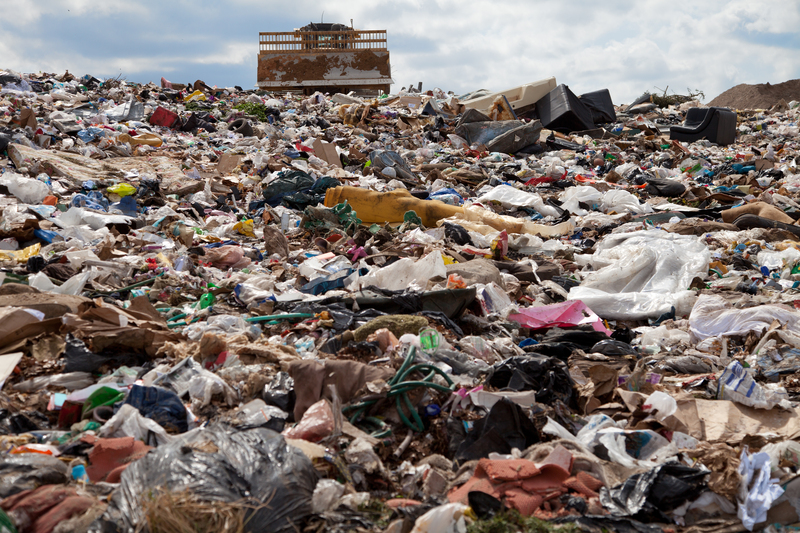
The sudden spike in the use of masks, gloves, face shields, and gowns has overwhelmed existing waste management systems globally. Most PPEs are made from single-use synthetic polymers such as polypropylene, which are non-biodegradable and can persist in the environment for centuries. Improper PPE waste disposal can result in:
- Increased land and water pollution
- Threats to marine and wildlife
- Spread of infectious diseases due to contaminated waste
- Blockage of drainage systems, leading to flooding
To address these challenges, adopting eco-smart PPE waste management has become critical.
Traditional Methods of PPE Waste Disposal and Their Drawbacks
Conventional methods to discard PPE waste include landfilling, open burning, and incineration. However, these approaches have significant disadvantages:
- Landfilling: PPE items, especially plastic-based, remain in landfills for hundreds of years and leach toxins into the soil and groundwater.
- Open Burning: Releases toxic gases and dioxins, polluting the air and posing severe health risks to nearby populations.
- Incineration: While reducing the waste's volume, it emits greenhouse gases, undermining global sustainability efforts.
Clearly, there's an urgent need for innovative PPE disposal solutions that are both smart and environmentally friendly.
Smart and Sustainable Approaches to PPE Waste Management
1. Source Reduction and Reusable PPE
One of the most effective ways to reduce PPE waste is to minimize its generation in the first place. This can be achieved by:
- Using reusable masks and gloves made from washable fabrics.
- Promoting reusable face shields and protective gear that can be sanitized and used multiple times.
- Encouraging industries and healthcare facilities to invest in high-quality, durable PPE.
By focusing on source reduction, we can drastically cut down the amount of single-use PPE entering the waste stream.
2. Segregation of PPE Waste at Source
Implementing proper segregation practices is a crucial step in smart PPE disposal. Segregating PPE waste from general waste drastically improves the efficiency of downstream processing and recycling. Here's how it can be done:
- Using clearly labeled disposal bins for masks, gloves, and other PPE items.
- Ensuring proper training for staff and public awareness campaigns on PPE waste segregation.
- Establishing dedicated areas in public spaces and healthcare facilities for PPE disposal.
Proper segregation facilitates safe handling, reduces contamination risk, and increases the chances of recycling and repurposing.
3. Advanced Recycling Technologies
Recycling PPE waste is challenging due to the potential for contamination and the complexity of the materials used. However, new technologies are making it possible to recycle some types of PPE. Smart recycling methods include:
- Chemical Recycling: Breaking down polymers to their base monomers for reuse in manufacturing.
- Pyrolysis: Heating PPE plastics in the absence of oxygen to convert them into fuel or raw materials.
- Mechanical Recycling: Cleaning, shredding, and repurposing plastics into new products, such as construction materials or outdoor furniture.
- Turning waste PPE into materials for road construction or paving tiles, as piloted in several countries.
These methods require strict hygiene protocols and advanced sorting technologies but represent a significant leap forward in green PPE waste disposal.
4. Compostable and Biodegradable PPE Innovations
The development of biodegradable and compostable PPE provides a promising solution to the disposal problem. Manufacturers are now producing masks, gowns, and gloves from plant-based materials, such as:
- Polylactic acid (PLA) derived from corn starch.
- Bamboo fibers, known for their rapid decomposition rates.
- Other biopolymers designed to break down in industrial composters or even backyard compost piles.
When disposed of correctly, these items decompose naturally, transforming into compost and leaving a minimal environmental footprint. Investing in and encouraging the use of these products will go a long way in minimizing PPE pollution.
5. Smart Collection and Tracking Systems
Integrating smart waste management technologies can improve the efficiency and sustainability of PPE disposal. Some innovative tools and systems include:
- Sensor-equipped PPE bins to monitor fill levels in real-time and optimize collection routes.
- QR code tracking to ensure full traceability from generation to disposal.
- Blockchain-based systems for secure recordkeeping and compliance auditing.
- Mobile apps that notify users of their nearest disposal points and offer rewards for proper PPE waste management.
These technologies help organizations and municipalities track PPE waste, optimize disposal practices, and minimize landfill contributions.
6. Energy Recovery Through Waste-to-Energy Processes
While recycling and reusing PPE items is ideal, not all waste can be processed due to contamination. In such cases, waste-to-energy (WtE) processes offer an eco-friendly method to extract value from discarded PPE while reducing landfill use. Techniques like:
- Incineration with energy recovery (modern, clean methods)
- Gasification
- Plasma arc treatment
convert PPE waste into electricity or heat. While WtE is not a zero-emissions solution, it is considered a smarter, greener alternative to traditional landfilling, especially when implemented in facilities with strict emissions controls.
7. Community Engagement and Public Education
One of the most effective strategies for reducing the negative impact of PPE waste is fostering a culture of responsible disposal. Key approaches include:
- Organizing public awareness campaigns on smart PPE waste disposal
- Creating guidelines for individuals and households on separating and disposing PPE safely
- Collaborating with schools, NGOs, and local governments to establish community collection drives
- Incentivizing proper PPE waste disposal through reward programs or discounts
By actively involving the community, we can ensure that eco-friendly practices become second nature, significantly reducing PPE litter and environmental harm.
Best Practices for Individuals to Dispose of PPE Waste Responsibly
Everyone can play a role in minimizing the environmental impact of PPE. Here are practical tips for responsible PPE waste management at home and in public:
- Do not litter: Never discard masks or gloves on the ground or in public spaces. Carry a small waste bag if necessary.
- Disinfect before disposal: Spray or soak used PPE in a disinfectant solution to reduce contamination risk.
- Use designated bins: Always deposit used PPE in marked containers specifically for hazardous waste or medical waste.
- Do not recycle regular PPE: Most standard masks and gloves are not recyclable in regular blue bins due to contamination and material types.
- Consider investing in reusable PPE where possible to cut down on single-use waste.
- Support and choose products made with biodegradable or compostable materials to lessen your ecological footprint.
What Not to Do with PPE Waste
- Do not flush masks or gloves down the toilet: This can cause major sewage blockages and environmental hazards.
- Avoid burning PPE at home:
- Avoid mixing hazardous PPE waste with household recyclables or food waste.
Adhering to these best practices for PPE disposal reflects a commitment not only to personal safety but also to the health of the planet.
Role of Policy and Legislation in Promoting Eco-Friendly PPE Disposal
Governments and regulatory bodies play a central role in driving the adoption of environmentally friendly PPE waste disposal methods. Some policy measures that can help include:
- Establishing strict guidelines on PPE waste segregation and treatment
- Mandating the use of biodegradable PPE in certain industries
- Investing in research, technology, and infrastructure for advanced PPE waste processing
- Providing incentives for companies developing smart disposal and recycling solutions
- Facilitating international cooperation to tackle PPE waste as a global issue
With clear regulations, resources, and enforcement, governments can ensure a transition towards sustainable PPE waste management at scale.

Case Studies: Innovative PPE Waste Disposal Initiatives
Countries and organizations worldwide have piloted various projects to tackle PPE pollution. Here are some inspiring examples:
- The UK's PPE Recycling Programme: Hospitals collaborated with recycling firms to collect used masks and gowns and convert them into reusable plastic products, reducing landfill waste by over 30%.
- India's Road Building Initiative: Engineers repurposed discarded PPE, including face masks, into polymer blends for road construction, resulting in more durable roads and effective waste reduction.
- Malaysia's "Green PPE" Startup: Local firms developed biodegradable PPE alternatives and created composting facilities, encouraging widespread adoption among healthcare workers and the public.
Conclusion: The Road Ahead for Eco-Smart PPE Waste Disposal
The COVID-19 pandemic has highlighted the dual necessity of personal protection and environmental stewardship. As we continue to use PPE to maintain public health, it is equally vital to embrace smart and eco-friendly methods to dispose of PPE waste. Combining source reduction, segregation, technological innovations, biodegradable alternatives, efficient collection systems, and robust public education can pave the way for a cleaner, safer future.
Each of us, from individual users to large organizations, plays a part in safeguarding our environment. By staying informed, making conscious choices, and supporting sustainable practices, we can ensure that our efforts to protect human health do not come at the expense of planetary well-being. Let's work together for smarter, greener PPE waste disposal for the benefit of generations to come.
