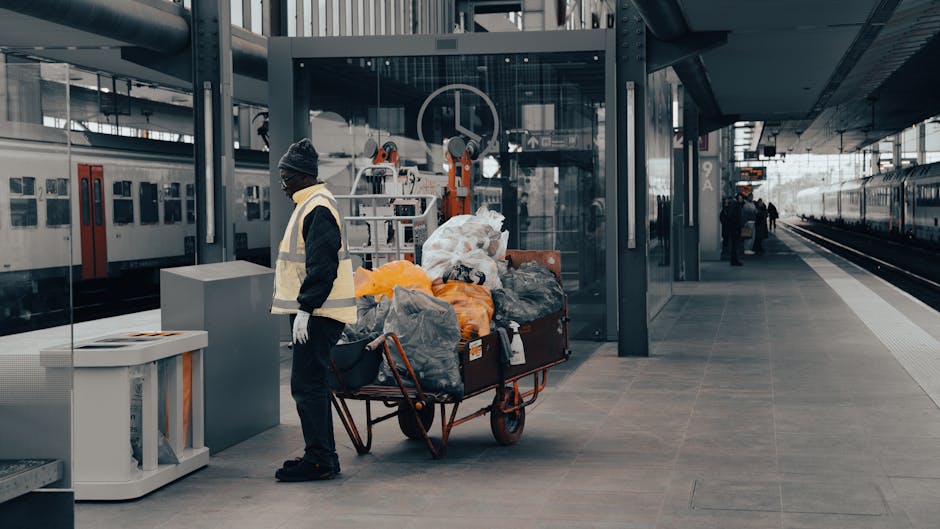
Shepherds Bush rubbish removal guide for traders near Westfield
If you trade near Westfield, rubbish has a way of building up faster than you expect. A delivery arrives, packaging piles up, a display gets changed, a fixture breaks, and suddenly the back room looks like it has had a rough week. This Shepherds Bush rubbish removal guide for traders near Westfield is designed to help shop owners, market traders, kiosk operators, cafe teams, and small business managers deal with waste in a way that is tidy, efficient, and realistic for a busy part of west London.
You do not need a grand waste strategy to stay on top of it. You need a system that fits retail hours, footfall, loading constraints, and the simple fact that time is money. That is what this guide is for: practical steps, sensible comparisons, common mistakes, and a clear way to decide what kind of rubbish removal or business waste support makes sense for your site.
For traders with mixed waste streams, it can help to think beyond a one-off clear-out. You may need regular business waste support, occasional rubbish removal, or a more tailored service for bulky items and fixtures. The right mix keeps your unit safer, your team less stressed, and your trading space ready for customers.
Table of Contents
- Why Shepherds Bush rubbish removal guide for traders near Westfield matters
- How it works in practice
- Key benefits and practical advantages
- Who this is for and when it makes sense
- Step-by-step guidance
- Expert tips for better results
- Common mistakes to avoid
- Tools, resources and recommendations
- Law, compliance, standards, or best practice
- Options, methods, or comparison table
- Case study or real-world example
- Practical checklist
- Conclusion
- Frequently asked questions
Why Shepherds Bush rubbish removal guide for traders near Westfield matters
Shepherds Bush sits in a part of London where retail, leisure, and transport all collide. Around Westfield, there is constant movement: stock coming in, shoppers coming through, fit-outs happening, and businesses trying to stay visually sharp in a competitive environment. That makes waste management more than a background task. It is part of how your business looks, feels, and operates.
For traders, rubbish is not only about what leaves the building. It is about what remains visible to customers while you work. A few boxes near the entrance might not seem like much, but on a busy day they can create a cluttered impression. Add mixed waste, broken shelving, old packaging, and end-of-day sweepings, and the problem becomes operational as well as cosmetic. Let's face it, nobody wants to step around a heap of cardboard before buying a coffee or browsing stock.
There is also a practical reason this matters: local space is tight. Loading, unloading, and storing waste in a high-footfall area can become awkward quickly. If you do not have a routine for removing waste, you end up with staff spending extra time shifting items around, which is not a great use of labour. In our experience, small businesses often lose more time managing rubbish than they realise.
A good removal plan also reduces friction with neighbours, building management, and delivery schedules. It helps when you are preparing for a refit, clearing seasonal stock, or dealing with an unexpected burst of clutter after a promotional event. The real value is not dramatic. It is steadiness. Things keep moving.
How Shepherds Bush rubbish removal guide for traders near Westfield works
At trader level, rubbish removal usually follows a simple pattern: identify the waste, separate what needs special handling, arrange collection, and make sure the area is left safe and usable. Sounds basic, but the details matter. A pile of flattened cardboard is one thing; a mix of packaging, broken display materials, old furniture, and electrical waste is another.
Most commercial clean-outs near Westfield fall into one of a few buckets. Some are recurring, like general business waste from trading activity. Others are one-off, such as stockroom clearances, refits, or end-of-lease disposals. If you are handling bulky items, furniture, or old fixtures, a more targeted service is often more sensible than trying to manage it all in-house. That is where furniture disposal and related clearance options can fit naturally into the plan.
For traders with back-of-house spaces, waste often accumulates in hidden corners first. A storage room gets used temporarily. A broken rail gets leaned against a wall. Packaging gets set aside for later. Then later never quite comes. It is a familiar story. The best rubbish removal process is one that interrupts that drift before it becomes a mess.
In practical terms, a good service should be able to handle mixed loads, arrive at agreed times, and clear items without forcing your staff to stop trading for half a day. If your business also has larger operational waste, a broader waste removal plan may work better than treating every job as a standalone emergency. Small rhythm, big difference.
Key benefits and practical advantages
The headline benefit is obvious: a cleaner, safer, better-looking trading space. But the deeper benefits are what make a rubbish removal routine worthwhile.
- Better presentation: Customers notice clutter, especially in retail and hospitality settings where first impressions matter quickly.
- Improved safety: Clear walkways reduce trip hazards, blocked exits, and awkward manoeuvres with stock or trolleys.
- More usable space: Clearing waste often reveals storage space you thought you had lost.
- Less staff distraction: Teams can focus on selling, serving, or stocking rather than shuffling rubbish about.
- Cleaner handovers: Useful if you are preparing for inspections, deliveries, new stock, or a unit change.
- Flexible response: You can scale up for busy periods, refurbishments, or stock resets.
There is also a financial angle. Waste left unmanaged tends to create knock-on costs. You may need more staff time, extra storage, repeat handling, or rushed removals at the worst possible moment. A well-timed collection is often cheaper than a string of small, inefficient fixes. Not always, but often enough to matter.
Another advantage is reputational. Around Westfield, traders are competing not just on price and product, but on feel. Customers pick up on order, cleanliness, and ease. They may not say it out loud, but they absolutely notice.
Who this is for and when it makes sense
This guide is relevant for a wide mix of traders near Westfield, from small independents to businesses with multiple staff and changing stock levels. If you are trying to work out whether rubbish removal is a one-off fix or part of your regular operations, this section should help.
It usually makes sense for:
- Retailers clearing packaging, display items, damaged stock, or old fixtures
- Cafes, eateries, and food-adjacent businesses managing back-room clutter or old equipment
- Market traders and pop-up units with limited storage and fast turnover
- Small offices or service businesses based near Shepherds Bush that generate mixed waste
- Shopfitters, landlords, and managers preparing a unit for handover or relaunch
- Businesses clearing bulky items such as shelving, chairs, counters, or worn stockroom furniture
If your waste is mostly consistent and predictable, a regular collection plan may be enough. If your needs swing from week to week, a more flexible clearance model is usually better. For example, a trader might need general waste collection most weeks, then a one-off bulk clear when a promotion ends or a new season starts.
It also makes sense when your team is small. If you have one manager, two staff, and a very full back room, the time spent dealing with waste can be surprisingly disruptive. It is a bit like trying to tidy while serving customers: technically possible, but not ideal.
Step-by-step guidance
If you want a calmer, more controlled process, break rubbish removal into manageable steps. The goal is not perfection. It is consistency.
- Walk the site properly. Check the shop floor, stockroom, basement, rear access area, and any shared spaces. Waste often hides in two or three places rather than one.
- Sort the load. Separate cardboard, general waste, bulky items, furniture, and anything that may need special handling. This saves time later.
- Identify what is reusable or recyclable. Not everything needs the same route out. Some packaging, fixtures, or materials may be reusable, and it is worth checking before disposal.
- Measure access. Think about door widths, stairwells, lift access, loading points, and time restrictions. A clear plan prevents awkward delays.
- Choose the right service type. Small recurring waste is different from a major clear-out. Match the job to the service rather than forcing one solution to do everything.
- Set a collection time that respects trading hours. Early morning or quieter periods often work best near busy retail destinations.
- Keep the area clear before the crew arrives. This sounds obvious, but it makes a huge difference. Separate the waste from active stock and make it easy to load.
- Do a final safety check. Make sure there are no sharp edges, unstable stacks, or blocked exits once the waste has gone.
A small but useful habit: photograph the area before and after. Not for drama, just for clarity. It helps with handovers, internal records, and the occasional "where did all that come from?" moment.
If the job involves old chairs, shop fittings, or display furniture, a focused service such as sofa removal or broader clearance can be more efficient than treating every bulky item as general waste. Different items, different handling. Simple, really.
Expert tips for better results
The best rubbish removal jobs rarely feel rushed. They feel prepared. Here are the habits that tend to make the biggest difference for traders near Westfield.
- Book before the clutter peaks. If you know a refit, sale changeover, or delivery wave is coming, line up removal early.
- Group similar items together. Cardboard with cardboard, furniture with furniture, mixed waste with mixed waste. It makes loading quicker and cleaner.
- Keep an eye on the back door. Waste often starts there, especially if multiple staff are handling deliveries.
- Use tighter internal routines. A five-minute closing tidy can prevent a two-hour clear-up later. It really can.
- Avoid overfilling storage corners. "We'll deal with it later" is how small problems become awkward ones.
- Plan around footfall patterns. Shepherds Bush is busy enough without adding unnecessary loading friction at peak times.
One practical lesson from commercial spaces: if waste starts touching trading space, it already has a cost. Maybe not in cash yet, but in mood, movement, and presentation. That's usually when people call for help, just a little later than they should.
For mixed-use businesses or units with changing needs, a combined approach can work well. You might use rubbish clearance for periodic clear-outs and waste disposal support for the recurring stuff that keeps coming back. There is no award for using the most complicated method.
Common mistakes to avoid
Most waste issues are predictable once you have seen a few. The same errors show up again and again.
- Waiting too long to act. Waste builds quietly, then suddenly becomes urgent.
- Mixing everything together. This slows the job and can make sorting much harder later.
- Ignoring access issues. A van cannot magically fit where loading space is tight.
- Underestimating bulky items. A few large fixtures can take far longer to handle than a pile of smaller rubbish bags.
- Assuming one collection type fits all. Routine waste and clear-outs are not the same thing.
- Leaving staff to improvise. If the process is unclear, the clutter will win. It usually does.
Another common mistake is not checking the nature of the waste before booking. A trader may think they need one kind of removal when the job is really a combination of general waste, furniture, and store fittings. That is where a broader service like waste clearance can make more sense than trying to patch together several small fixes.
And yes, the humble cardboard pile deserves more respect than it gets. Left unchecked, it becomes slippery, messy, and mildly annoying in ways that only retail workers truly understand.
Tools, resources and recommendations
You do not need a big toolkit to manage trader waste well, but a few simple resources help a lot.
- Labelling: Use clear labels for cardboard, mixed waste, and items to be kept versus removed.
- Heavy-duty bags and containers: Better containment means less spill and less back-and-forth.
- Measuring tape: Useful for checking bulky items before booking a collection.
- Basic floor protection: Helps when moving furniture or heavier stock through tight areas.
- Internal schedule: A simple weekly waste checkpoint is often enough to prevent build-up.
From a service point of view, traders often benefit from matching the job type to the task. For example, if the issue is mostly packaging and regular trade waste, rubbish collection can be the straightforward route. If the job is more seasonal, such as a post-refit clear-out, then a broader removal or disposal option may be more suitable.
When a site has multiple zones, use different waste buckets in each. It sounds almost too simple, but it cuts down on staff confusion. Stockroom waste, front-of-house waste, and bulky disposal items should not all end up in one vague pile. That pile will grow legs.
Law, compliance, standards, or best practice
For business waste in the UK, traders should take care with how rubbish is stored, transferred, and handed over. The exact responsibilities can vary depending on the type of waste and the nature of your business, so it is sensible to treat compliance as a practical discipline rather than a box-ticking exercise.
At a minimum, businesses should use a reputable waste carrier, keep records where appropriate, and avoid leaving waste where it creates hazards or nuisance. If your waste includes bulky fixtures, electrical items, or anything that may be classed as special handling, get clarity before it is moved. That caution is worth it.
Best practice also means keeping your waste separate where possible, preventing contamination, and making sure any collection leaves access routes safe. In a busy location like Shepherds Bush, where traders may share building entrances or loading space, good housekeeping matters as much as the final uplift.
If you are not sure whether a particular item belongs with general trade waste, furniture disposal, or a more specialised collection, err on the side of checking first. A little caution avoids a lot of headache. Truth be told, the safest jobs are usually the boring ones.
For businesses in a shared or managed building, it is also wise to follow the site's own rules on waste timing, storage, and loading access. Those rules are often more immediate than the public-facing ones, and they are easy to overlook when people are busy.
Options, methods, or comparison table
Not every trader needs the same approach. The right choice depends on volume, frequency, access, and the type of waste involved. Here is a simple comparison to make the decision easier.
| Option | Best for | Strengths | Watch-outs |
|---|---|---|---|
| Regular business waste collection | Ongoing trade waste, packaging, everyday rubbish | Predictable, tidy, easy to schedule | May not suit bulky or irregular items |
| One-off rubbish removal | Unexpected build-ups, sudden clutter, ad hoc clear-outs | Flexible and fast | Less efficient if used for constant waste |
| Waste clearance for mixed loads | Combining general, bulky, and back-room items | Good for wider resets and refits | Needs clearer sorting and planning |
| Targeted furniture disposal | Shop fittings, seating, display furniture, stockroom items | Very practical for bulky pieces | Not ideal for all general waste |
If your site is small and space is tight, the best solution is often a combination rather than a single method. Many traders use a routine collection plan and then add a one-off clear-out when stock changes or a lease event comes up. It is not glamorous. It is effective.
Case study or real-world example
Picture a small fashion trader just off the Westfield flow, with a compact shop floor and a stockroom that has quietly become over-full. During a busy week, the team receives new deliveries, removes old seasonal displays, and stores a few damaged hangers, broken rails, and surplus packaging "for later". By Friday afternoon, the back room is hard to move around in.
Instead of trying to handle it in scraps across three days, the trader does a quick walk-through and separates the waste into three groups: cardboard and packaging, bulky display items, and mixed rubbish. A short collection window is booked outside the busiest trading hour. Staff are told exactly what stays and what goes. Nothing fancy, just a bit of order.
The result is straightforward. The floor opens up. The back room becomes usable again. Staff stop stepping around stacked boxes. Customers never really see the problem, which is the point. It is a small operational win, but those are the ones that keep a business feeling calm.
That same pattern works for cafes, kiosks, and service businesses too. Different stock, same principle: sort early, remove smartly, and do not let clutter become part of the decor.
Practical checklist
Use this checklist before arranging trader rubbish removal near Westfield.
- Identify all waste types on site
- Separate general rubbish from bulky items
- Check whether anything should be reused or recycled
- Measure access routes and loading space
- Choose a collection time that avoids peak trading disruption
- Keep walkways and exits clear
- Tell staff what is being removed
- Confirm whether you need regular collection or a one-off clearance
- Make sure the waste is ready before the crew arrives
- Do a final sweep after the job is done
One useful habit is to keep this list in the stockroom or operations folder. It stops the same questions coming up every time. Small thing, big relief.
Get a free quote today and see how much you can save.
Conclusion
For traders near Westfield, rubbish removal is not just a housekeeping task. It is part of running a business that feels organised, safe, and ready for customers. The better your waste routine, the easier it is to protect your space, your time, and your team's focus.
The good news is that you do not need a complicated setup to get this right. Start by understanding what kind of waste you produce, choose the right collection method, and keep the process simple enough that staff can actually follow it. That is usually where the real gains appear.
If you need a broader clear-out approach, a mix of rubbish removal, waste removal, and targeted disposal support can keep your Shepherds Bush trading space on the right side of tidy. And frankly, tidy is underrated.
Keep it practical, keep it regular, and give the clutter less room to spread. That alone goes a long way.
Frequently Asked Questions
What is the best rubbish removal option for traders near Westfield?
The best option depends on what you produce most often. Regular trade waste suits a recurring collection plan, while bulky stock, fixtures, or end-of-season clear-outs usually need a one-off removal or clearance service.
How often should a small trader book rubbish removal?
That depends on footfall, stock turnover, and available storage. Some businesses need weekly support; others only need occasional clear-outs after deliveries, promotions, or refits.
Can I mix cardboard, packaging, and broken fixtures together?
You can physically mix them, but it is usually less efficient. Sorting by type makes collection faster, helps with handling, and avoids unnecessary time spent untangling the load later.
Is business waste different from general rubbish removal?
Yes. Business waste is the everyday output of trading activity, while rubbish removal often refers to larger, less regular jobs or mixed loads that need more flexible handling.
What should I do with old shop furniture or display units?
Bulky furniture and fixtures are usually best handled separately. A dedicated furniture disposal or clearance option is often more practical than trying to treat everything as general rubbish.
How do I keep rubbish from affecting customers?
Use a regular tidying routine, keep waste away from visible trading areas, and arrange collections before clutter starts creeping into customer-facing space. In busy areas, timing matters quite a lot.
Do I need to worry about compliance for trade waste?
Yes, business waste should be managed carefully. Use a reputable waste carrier, keep waste stored safely, and make sure anything unusual or bulky is handled properly. If unsure, check first.
What if my shop has very limited access?
That is common near busy retail zones. The key is to measure access in advance and choose a collection time that avoids peak pressure. Good planning usually solves more than people expect.
Can a rubbish removal service handle a refit or shop closure?
Yes, provided the job is clearly described. Refits and closures often need a broader clearance approach because they involve mixed waste, furniture, packaging, and possibly fixtures.
How do I decide between clearance and regular collection?
If the waste is steady and predictable, choose regular collection. If the waste is bulky, irregular, or tied to a project, a clearance or removal service is usually the better fit.
What makes Shepherds Bush different from other west London trading areas?
The main difference is the pace. Around Westfield, footfall, deliveries, and turnover all move quickly, so waste needs to be managed with timing and access in mind. It is a busy patch, no doubt about it.
Can I get help with more than one type of waste at once?
Yes. Many traders need a mix of services rather than a single solution. For example, general waste, bulky items, and occasional furniture disposal can often be planned together to save time and reduce disruption.