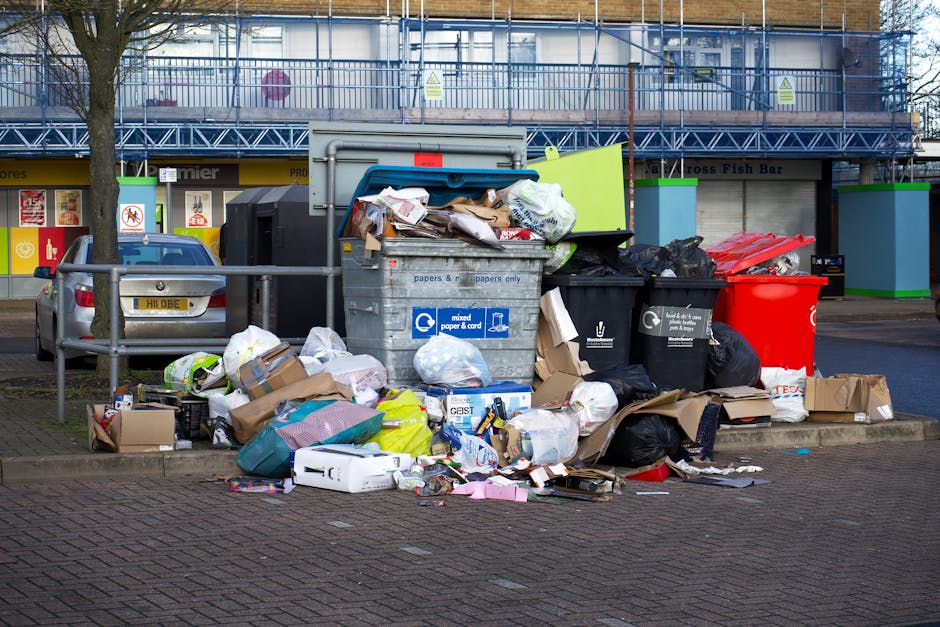
Estate agent rubbish removal and furniture disposal West London
If you work in lettings or property management, you already know the awkward bit: a property can look almost ready, then one sofa, a broken wardrobe, a mattress, and a bag of loose rubbish suddenly hold everything up. That is where Estate agent rubbish removal and furniture disposal West London becomes genuinely useful. It is not just about getting things "gone" - it is about turning a half-finished space into something viewings, check-ins, and handovers can happen in without delay.
In West London, that often means dealing with tight access, basement flats, busy roads, residents above you, and a narrow window between tenancy changeovers. One hour the room is cluttered and smelling faintly of old carpet and dust; the next, it needs to feel clean, calm, and presentable. This guide breaks down how the process works, who it helps, what to watch out for, and how to choose the right approach for your property workflow. No fluff. Just the practical stuff that saves time and stress.
Table of Contents
- Why it matters
- How it works
- Key benefits and practical advantages
- Who this is for and when it makes sense
- Step-by-step guidance
- Expert tips for better results
- Common mistakes to avoid
- Tools, resources and recommendations
- Law, compliance, standards, or best practice
- Options, methods, or comparison table
- Case study or real-world example
- Practical checklist
- Conclusion
- Frequently asked questions
Why Estate agent rubbish removal and furniture disposal West London Matters
For an estate agent, time is money, but so is presentation. A property that is cluttered, half-cleared, or left with bulky furniture can stall photography, delay valuations, push back viewings, and complicate move-in dates. That is the simple truth of it.
West London also adds a layer of real-world complexity. Parking can be limited, access may be awkward, and many buildings have shared entrances or strict management rules. In areas like Fulham, Chiswick, and Ealing, you may be juggling narrow stairwells, controlled parking, or tenant schedules that leave only a small collection window. When that happens, a well-planned clearance is less of a "nice to have" and more of a logistics job.
There is also the trust factor. Clients notice when a property is handed over clean and ready, not merely emptied. Landlords appreciate it. Tenants appreciate it. Agents definitely appreciate it, especially when there is a chain of other jobs waiting behind this one. And let's face it, one blocked clearance can ripple through the whole day.
In our experience, the best estate agent support is not dramatic. It is quiet, efficient, and predictable. The job gets done, the property is left usable, and everyone moves on without a pile of unresolved stuff sitting by the front door.
How Estate agent rubbish removal and furniture disposal West London Works
The process usually starts with a quick assessment of what needs to go. That may include broken furniture, soft furnishings, white goods, loose rubbish, old blinds, carpets, or general contents left behind after a tenancy. Depending on the condition of the property, the job might be a straightforward collection or a fuller clearance.
Most estate agents and landlords benefit from treating the job in stages:
- Identify the items - separate reusable furniture, general waste, and anything requiring special handling.
- Check access - lifts, staircases, parking, loading points, and time restrictions all matter more than people expect.
- Book the right clearance type - a light rubbish removal job is very different from a full flat clearance or house clearance.
- Coordinate the timing - ideally before photography, inventory, deep clean, or decorating starts.
- Remove and sort - items are taken away, then should be processed through the appropriate waste or reuse route.
Some properties only need one bulky sofa removed. Others need an entire rental reset. A typical example: a two-bed flat in Shepherds Bush with a mattress, a damaged dining table, a chest of drawers, and a few sacks of general waste. That is rarely a "leave it for later" problem. It is a same-week, preferably same-day kind of job.
For larger or more mixed jobs, services such as flat clearance, house clearance, or office clearance may be more suitable than a basic collection. The right choice depends on volume, access, and how quickly the property needs to be turned around.
Key Benefits and Practical Advantages
The most obvious benefit is speed. But that is only the start.
- Faster turnarounds - fewer delays between tenancies, listings, and refurb work.
- Better presentation - empty or neatly cleared rooms photograph better and feel easier to market.
- Less admin pressure - one properly handled clearance can save a lot of back-and-forth with contractors.
- Reduced risk of disputes - clear removal of abandoned items helps avoid confusion over what was left behind.
- Safer properties - fewer trip hazards, less blocked access, and less chance of damage during other trades work.
- More flexible scheduling - especially useful when move-outs, check-outs, and cleaners all need the same narrow time slot.
There is another benefit people underestimate: momentum. Once a property is cleared, the rest of the process usually flows better. The cleaner can clean properly. The decorator can start. The photographer can do the job without working around an old armchair at the edge of the frame. It sounds obvious, but in a busy property cycle, obvious things are often the first to get missed.
Practical takeaway: the best furniture disposal service for estate agents is rarely the cheapest or the flashiest. It is the one that arrives when promised, understands property timelines, and leaves the place genuinely ready for the next stage.
Who This Is For and When It Makes Sense
This kind of service is relevant to more people than you might expect. It is not just for agencies dealing with end-of-tenancy pile-ups.
- Estate agents managing vacant properties or tenant changeovers.
- Letting agents dealing with abandoned furniture, general clutter, or pre-marketing tidy-ups.
- Landlords who need a property reset between tenancies.
- Property managers balancing contractors, cleaners, and access windows.
- Developers needing older items cleared before a refresh, repair, or re-let.
- Block managers and concierge teams dealing with left-behind items in shared spaces.
It makes sense when furniture is too large for standard household disposal, when there is too much waste for a small van trip, or when the property simply needs to be turned around fast. It also makes sense when the person responsible for the property does not want to spend half a day lifting, loading, and trying to work out where everything can legally go. Fair enough.
There are also moments when a more specialised service is the cleaner option. For example, if a flat in Notting Hill has a mix of old furniture, bags of rubbish, and a few awkward items in the hallway, a rubbish removal service may be enough. If it is a full contents clear-out after a long vacancy, then a broader home clearance approach could be the better fit.
Step-by-Step Guidance
If you want the process to run smoothly, the planning is half the win. Here is the simplest way to approach it.
- Walk the property
Make a quick list of what needs removing. Separate bulky furniture from general rubbish. Check for anything that might need special handling, like broken glass, loose fixtures, or items stored in awkward corners. - Take access notes
Can a vehicle stop nearby? Is there parking? Are there stairs, lifts, or a long walk from the loading point? A useful clearance provider will want this information early. - Choose the right service type
If it is mainly furniture, look at furniture disposal or a specific item removal like sofa removal. If it is mixed waste, then a wider waste removal or waste clearance service may fit better. - Confirm timing around other trades
Try to book removals before cleaning, decorating, or photography. If the clearance happens after those jobs, somebody will be cleaning around dust again. Nobody enjoys that. - Sort what should stay
It is worth checking cupboards, loft spaces, cellars, and under-bed storage before anything is hauled away. One misplaced folder or key ring can turn into a small headache later. - Keep a record
For managed properties, note what was removed, when it happened, and any unusual item condition. A simple file note is often enough. - Review access and handover
Once the clearance is complete, check the property immediately. Doors, communal hallways, and outside areas should be left tidy too.
A tiny bit of extra planning goes a long way. Truth be told, it often saves more time than people expect.
Expert Tips for Better Results
These are the little things that make a clearance smoother and cheaper in practical terms, even when they are not dramatic.
- Bundle similar items together so the crew can assess volume quickly.
- Flag heavy items in advance, especially wardrobes, sofas, and appliances.
- Photograph awkward rooms if you cannot attend in person. A few clear images help avoid surprises.
- Book before deadline pressure hits. Last-minute jobs are possible, but they are always calmer when arranged early.
- Ask how waste is handled. Reuse, donation, recycling, and disposal should all be considered where appropriate.
- Use the right service for the job. A small rubbish collection is not the same thing as a full clearance, and forcing the wrong option usually wastes time.
If you are managing multiple properties, it helps to standardise the process. Create a one-page checklist for your team: photos, access details, item list, timing, and sign-off. Nothing fancy. Just something that stops important details slipping through the cracks on a rainy Tuesday afternoon when everyone is rushing.
One more tip, slightly old-school but useful: keep a note of recurring problem locations. Certain streets, buildings, or blocks in West London have repeating access quirks, and once you know them, scheduling gets much easier.
Common Mistakes to Avoid
A lot of clearance problems are not really waste problems. They are planning problems wearing a waste-shaped hat.
- Leaving it too late - this is the most common one. A clearance needed tomorrow has fewer good options than one planned for later in the week.
- Mixing everything together - if furniture, loose rubbish, and reusable items are all piled in one room, it slows the job down.
- Not checking access first - parking restrictions and tight hallways can change the whole approach.
- Assuming every item is the same to remove - mattresses, wardrobes, appliances, and builder leftovers can require different handling.
- Forgetting communal spaces - hallways, front gardens, and bin stores can get overlooked.
- Choosing on price alone - the cheapest quote is not always the best value if the job is delayed or handled poorly.
There is also a quieter mistake: not defining what "done" looks like. Does the property need to be empty, broom-clean, and ready for marketing photos? Or just cleared enough for decorators to start? That small difference matters more than people think.
Tools, Resources and Recommendations
You do not need a complicated toolkit to organise this well, but a few simple resources help a lot.
- Photo checklist - rooms, access points, and any awkward item close-ups.
- Inventory notes - especially for tenanted properties or managed blocks.
- Property access details - keys, codes, parking instructions, and contact names.
- Room-by-room clearance list - quick, clear, and easy to update.
- Waste separation plan - useful if you need to distinguish between furniture, general rubbish, and reusable pieces.
For broader property clean-outs, it can help to know the related service categories too. A rubbish collection may suit a smaller one-off job, while business waste handling may be more relevant if you manage offices, serviced apartments, or commercial premises. If the job is part of a bigger end-of-property reset, waste disposal and waste collection may also be worth considering.
For a broader understanding of service options and coverage, the main West London furniture disposal homepage can be a useful starting point. If you want to understand the company background first, the about us page helps too.
Law, Compliance, Standards, or Best Practice
Whenever rubbish and furniture are removed from a property, the legal and practical duty of care matters. In plain English, that means waste should be handled responsibly and passed to properly authorised handlers. Estate agents and landlords do not usually need to become waste experts, but they should still use services that understand the basics of lawful disposal and safe handling.
In West London, local access rules, parking restrictions, and building management requirements can also shape the job. Flats with shared entrances, managed developments, or controlled access often need extra coordination. That is not a legal lecture, just the reality of working in dense parts of London.
Best practice usually includes:
- confirming the scope of work in advance
- making sure access is lawful and arranged properly
- keeping records of what was removed if you manage multiple tenancies
- avoiding fly-tipping risk by using trusted disposal routes
- checking whether bulky items can be reused, donated, or recycled where suitable
There is also a simple professionalism standard here. If a service leaves a property clean, avoids damage, communicates well, and handles waste correctly, that is the bar. Not glamorous, but solid. And solid is what you want when a property schedule is already packed.
Options, Methods, or Comparison Table
Different property situations call for different solutions. Here is a straightforward comparison to help with decision-making.
| Option | Best for | Typical strengths | Things to watch |
|---|---|---|---|
| Single-item removal | One sofa, mattress, or appliance | Quick, simple, efficient | Can be less cost-effective if you have multiple items |
| Rubbish clearance | Loose waste, mixed bags, general clutter | Good for quick tidy-ups | May not suit bulky furniture-heavy jobs |
| Furniture disposal | Tables, beds, wardrobes, sofas | Focused on bulky items | Access and item weight matter more |
| Flat clearance | Vacant rentals, inherited flats, end-of-tenancy resets | Broad coverage, practical for multi-room jobs | Needs clear access planning |
| House clearance | Larger properties, full contents jobs | Handles volume efficiently | Requires stronger coordination |
For many estate agents, the choice comes down to the property stage. If the place is nearly ready, a targeted furniture removal may be enough. If you are looking at a room full of mixed leftovers after a tenancy, a broader clearance option usually saves time. There is no prize for using the smallest service if it creates three extra phone calls and another visit.
Case Study or Real-World Example
Here is a realistic example from a typical West London scenario. A two-bedroom rental in Hammersmith became vacant on a Friday afternoon after the tenants moved out. Left behind were a bed frame, a sofa, a coffee table, a broken office chair, and several bags of mixed rubbish in the kitchen and hallway. The agency wanted the property prepared for photography early the following week.
The practical fix was straightforward but needed good timing. First, access details were confirmed and the items were grouped by room. Next, bulky furniture was prioritised so the rooms could be cleared quickly. Then the remaining rubbish was removed in the same visit. The result was not just an empty flat; it was a property ready for cleaners, then photos, then listings. That sequence matters.
What made the job work was not anything dramatic. It was the basics: clear instructions, a realistic time slot, and a team that understood the property timetable. The agent did not have to chase three different contractors, and the landlord avoided another wasted day with furniture in the way. Simple, really. But simple is good.
Practical Checklist
Use this checklist before booking or confirming a clearance job:
- Have you listed every item that needs removing?
- Are any items especially large, heavy, or awkward?
- Have you checked stairs, lifts, and parking access?
- Is there a preferred date or time window?
- Do cleaners, decorators, or photographers need to follow the clearance?
- Are there any items that must stay on site?
- Have you checked communal areas, cupboards, loft spaces, and under furniture?
- Do you need a simple removal or a fuller clearance?
- Has someone been assigned to meet the team or hand over access?
- Do you need a record of what was removed for the file?
If you can answer those ten points, you are already ahead of the game. Not by a little. By a lot, in some cases.
Conclusion
Estate agent rubbish removal and furniture disposal West London is really about keeping property transitions moving. The quicker a vacant home, flat, or office is cleared, the sooner the next stage can begin: cleaning, repair, photos, viewings, or handover. That is why the best service is not just one that removes items, but one that fits into the wider property workflow without drama.
For agents, landlords, and property managers, the practical goal is simple: fewer delays, cleaner presentation, and less time spent managing avoidable problems. The right approach is calm, organised, and built around access, timing, and sensible waste handling. Small details matter here more than they first appear.
If you are dealing with a property in West London that needs a fast, careful clear-out, it is worth planning it properly the first time. That way the space can move on without the clutter hanging around like an unwelcome extra tenant.
Get a free quote today and see how much you can save.
Frequently Asked Questions
What does estate agent rubbish removal usually include?
It usually includes the removal of unwanted waste and bulky items left in a property, such as sofas, beds, wardrobes, broken furniture, bags of rubbish, and mixed clutter. In many cases, the scope can be adjusted depending on whether the property needs a light tidy, a room clearance, or a full contents removal.
Is furniture disposal different from rubbish removal?
Yes, usually. Furniture disposal is more focused on bulky items like sofas, tables, chairs, mattresses, and cabinets. Rubbish removal tends to cover lighter mixed waste, bagged items, and general clutter. For bigger jobs, the two often overlap anyway, which is why many property teams look for a combined service.
How quickly can a clearance be arranged in West London?
Timing depends on the job size, access, and current schedule, but many property clearances are arranged quickly when the details are ready. If you have photos, access notes, and a clear list of what needs removing, the process is much smoother. And yes, that really does help more than people expect.
What should an estate agent check before booking?
Check the item list, access details, parking restrictions, floor level, lift availability, and whether any other contractors are due next. It also helps to know if the job is a simple item removal or a full clearance. A few minutes of prep can save a lot of back-and-forth.
Can bulky items be removed from flats with tight access?
Usually, yes, but access details matter. Narrow hallways, stairs, or limited parking can change how the job is handled. It is always best to mention those issues in advance so the team can plan properly instead of turning up and hoping for the best. That rarely ends well.
Do estate agents need special paperwork for waste removal?
Not always, but record-keeping is sensible. For managed properties, it is useful to note what was removed, when, and from where. If there are compliance or handover concerns, written notes can be very helpful later. Nothing fancy, just tidy admin.
What happens to old furniture after collection?
That depends on its condition and the service process. Some items may be suitable for reuse, some may be recycled, and others may need disposal. The important thing is that waste is handled properly and not simply dumped somewhere inappropriate. Responsible handling matters.
Is a flat clearance better than a rubbish removal service?
It depends on the scale of the job. If the property has multiple rooms, a mix of furniture, and a lot of leftover contents, flat clearance is often the better fit. If you just have a few bags and a sofa, a smaller rubbish or furniture removal may be enough. The job should drive the service, not the other way around.
How can landlords reduce clearance costs?
Clear access notes, good photos, grouped items, and a clear scope all help reduce wasted time. Booking before the job becomes urgent also tends to make everything simpler. One of the easiest ways to avoid extra cost is just to be organised at the start. Boring, but effective.
Can furniture disposal help before property photography?
Absolutely. In fact, that is one of the main reasons estate agents book it. Empty, uncluttered rooms photograph better and make the property feel ready for market. Even one leftover chair can distract from a good room shot. Strange but true.
What if the property contains both rubbish and reusable items?
That is common, especially after tenancies or quick turnarounds. The best approach is to separate what can stay from what needs to go, and then remove the unwanted items in a way that suits their type. Reusable furniture, if identified early, can sometimes be handled more thoughtfully than mixed waste.
How do I choose the right clearance service in West London?
Start with the property type, the amount of waste, the access situation, and your deadline. Then look for a service that can handle the actual job without creating extra admin. If you are unsure, it is usually better to describe the property clearly and ask what level of clearance fits best. A good conversation upfront saves hassle later.
And honestly, that is the heart of it: the smoother the clearance, the smoother the property move-on. Sometimes the best outcome is simply a room that is empty, clean, and ready for whatever comes next.